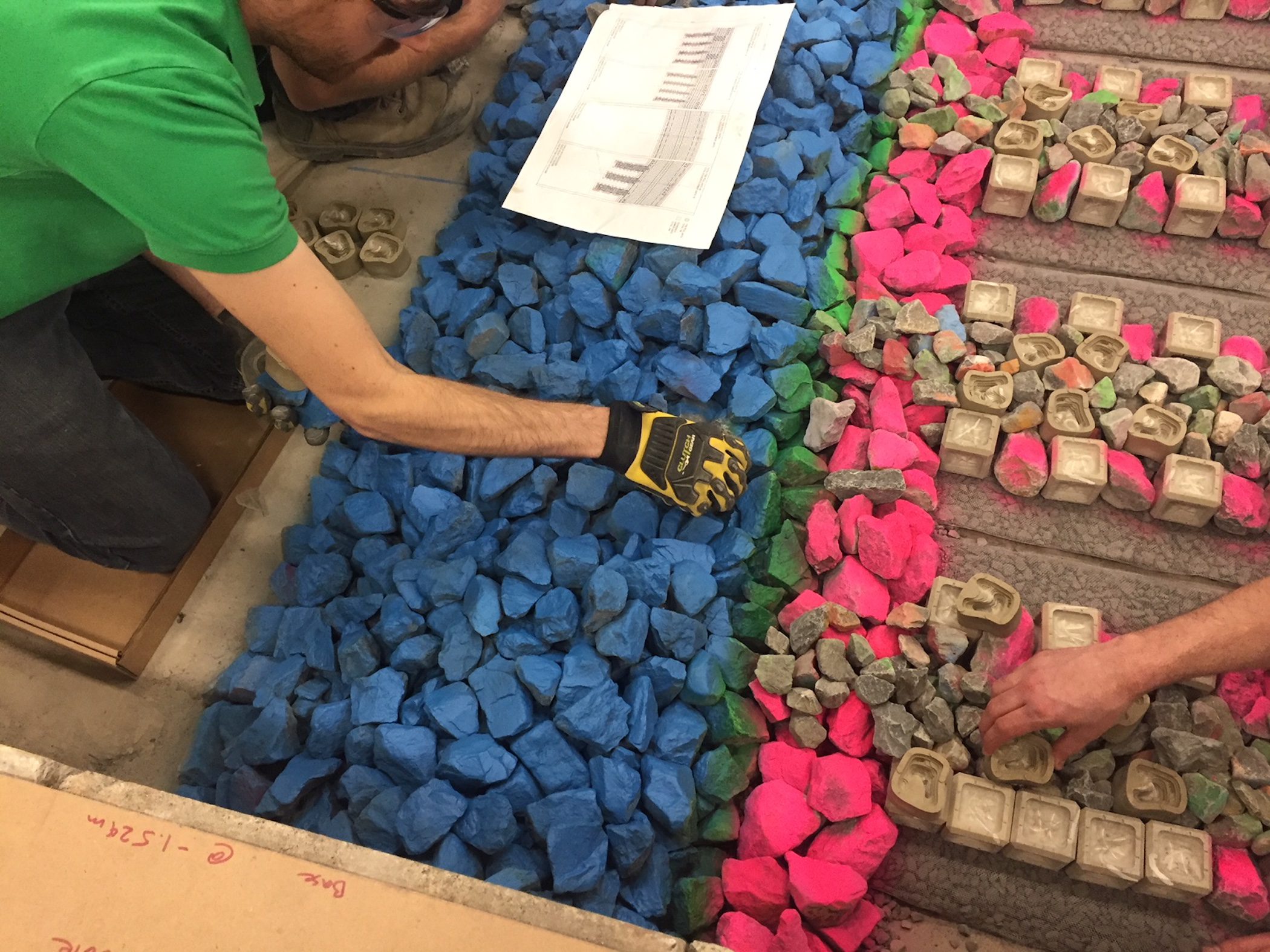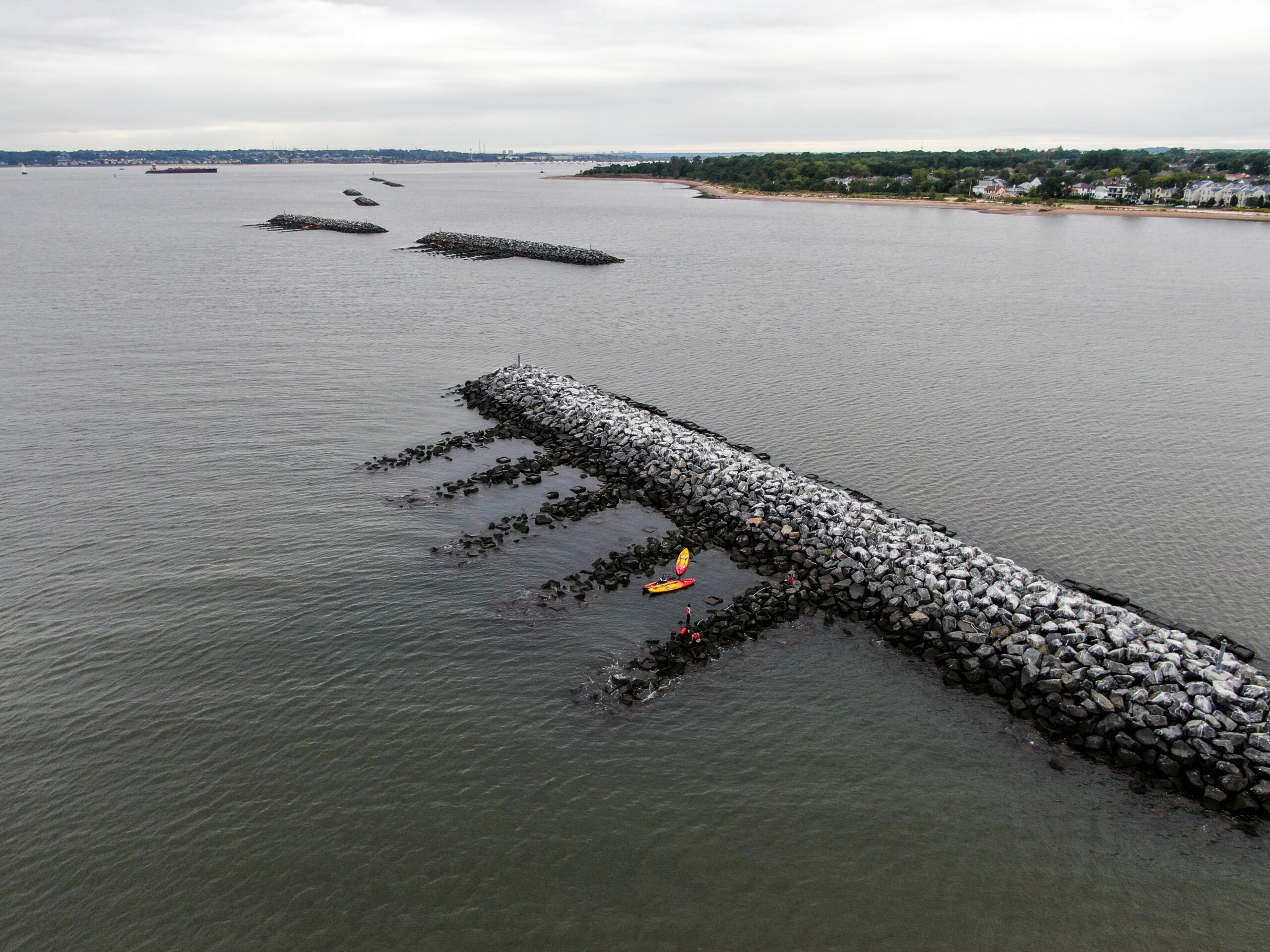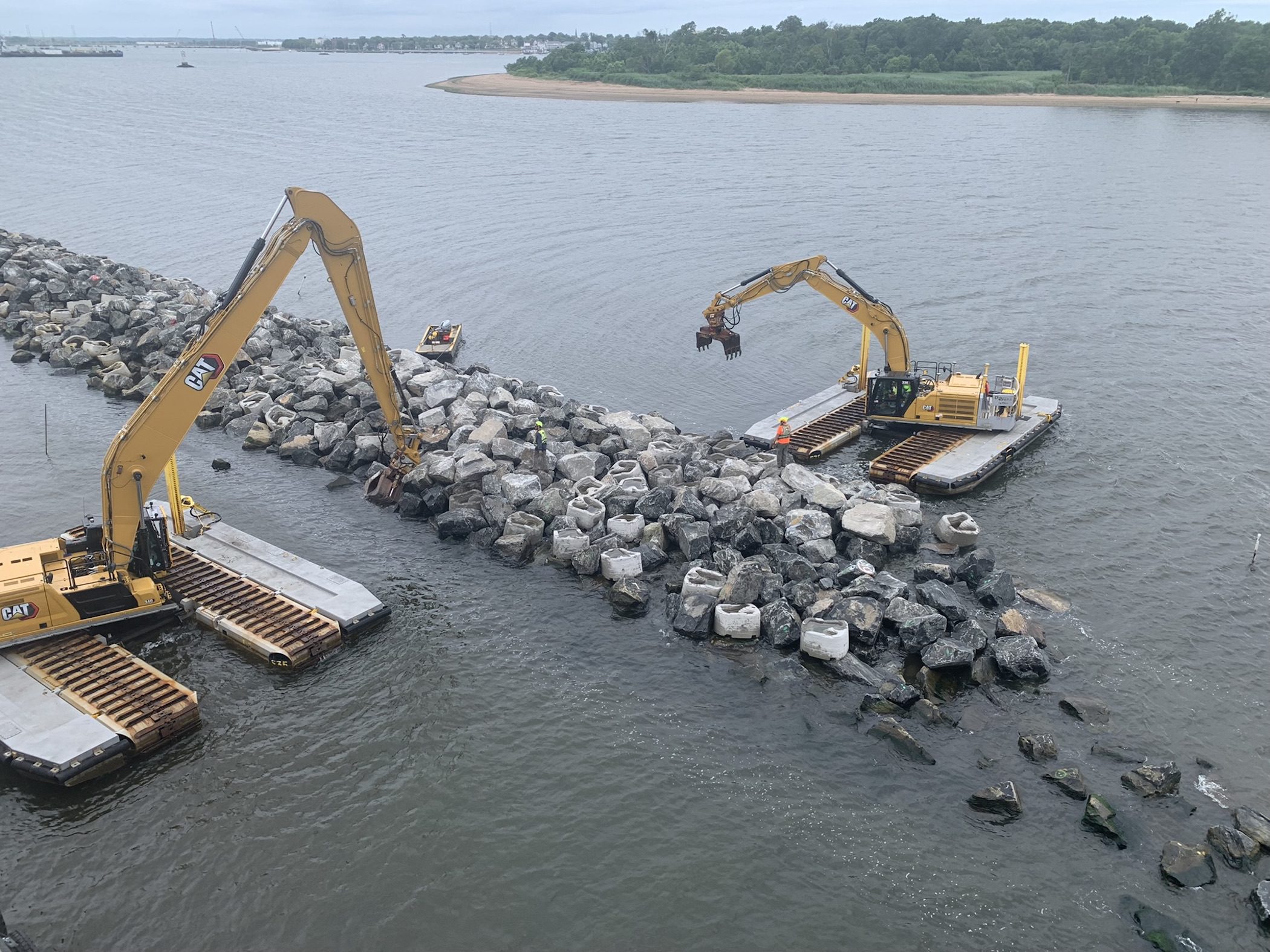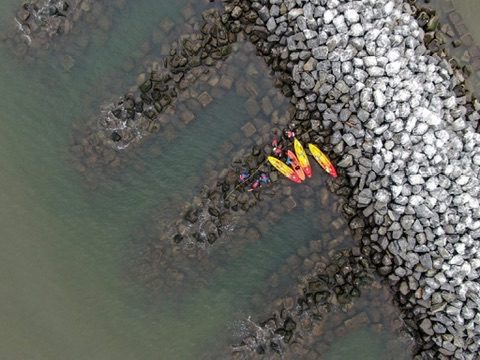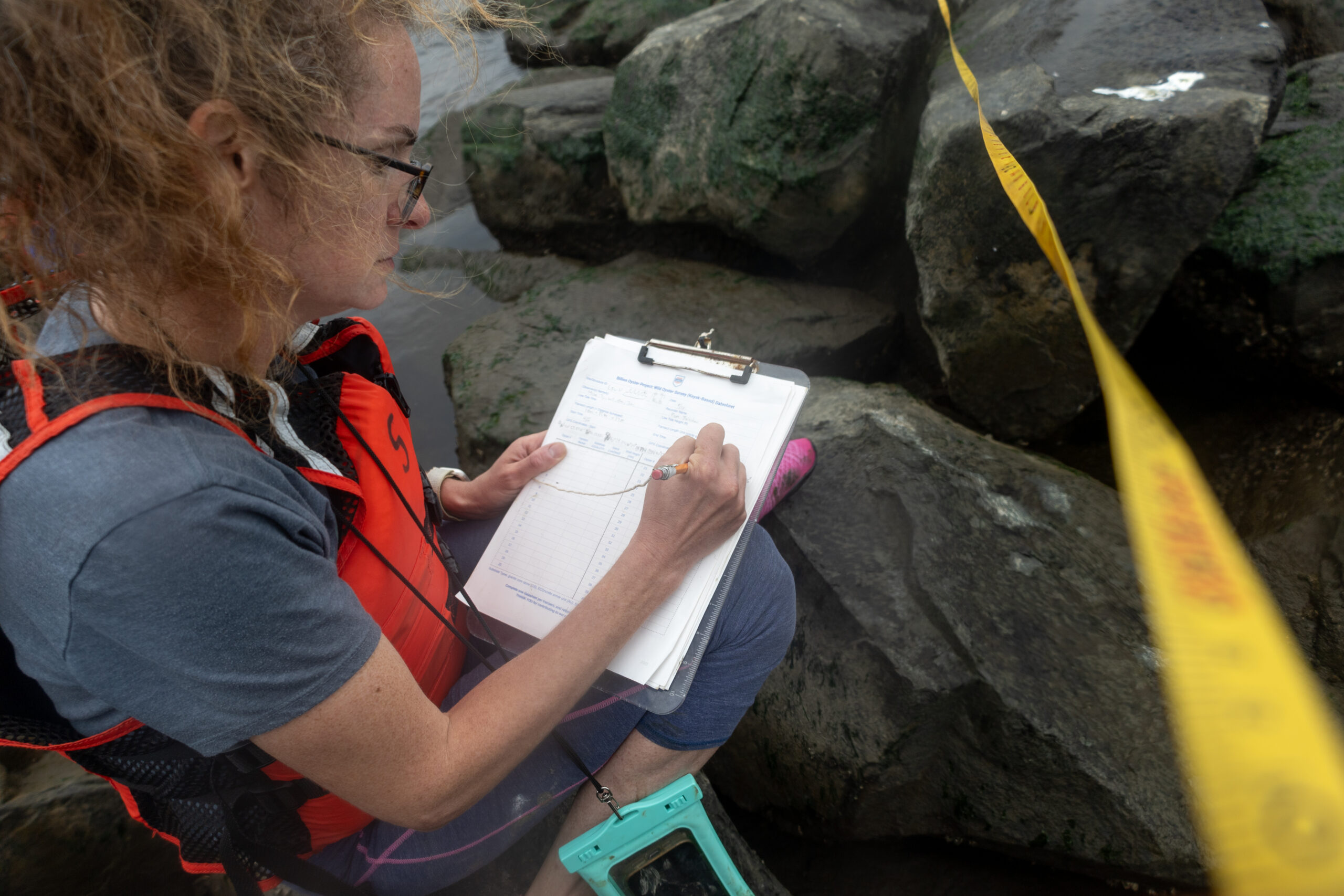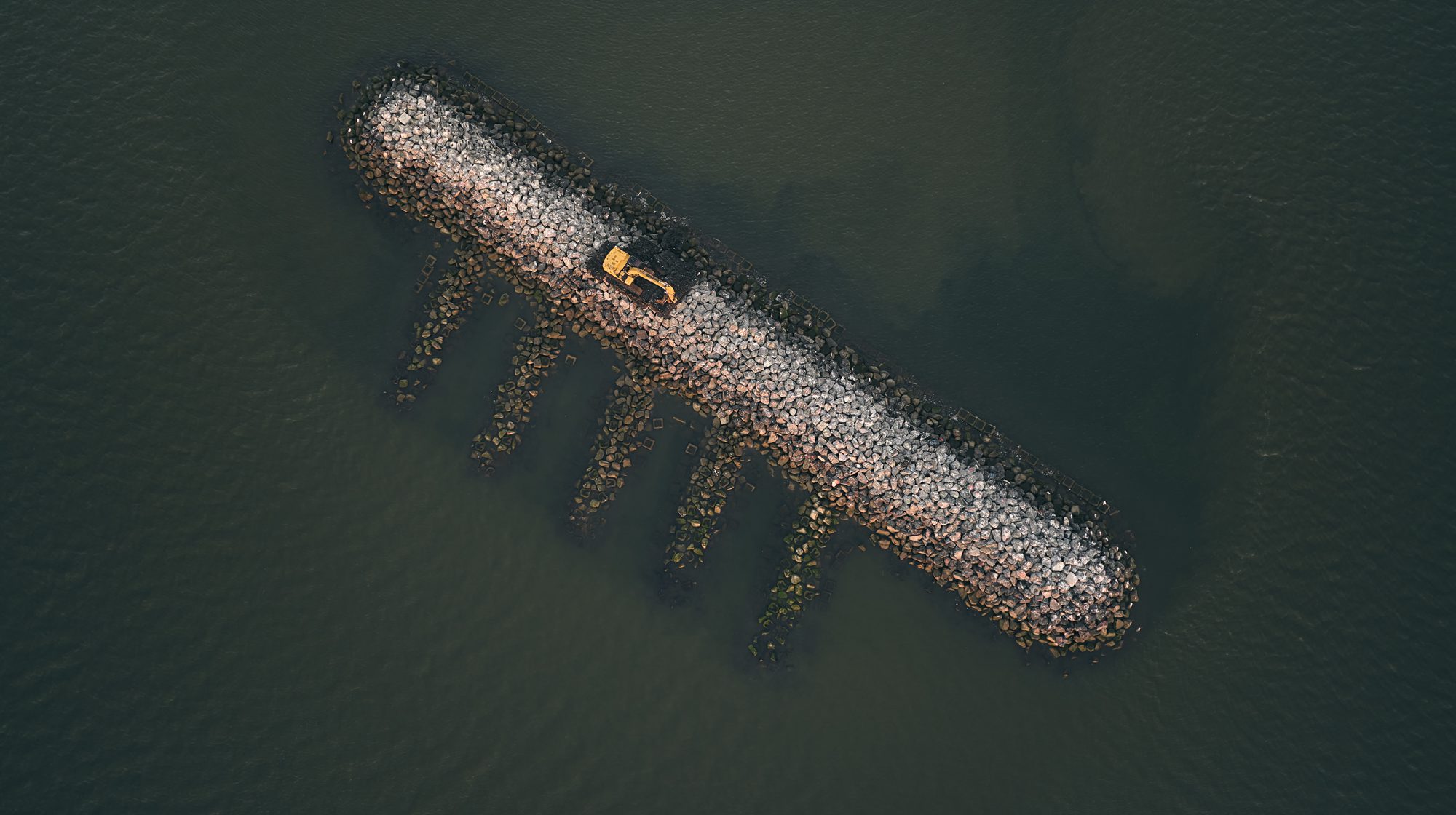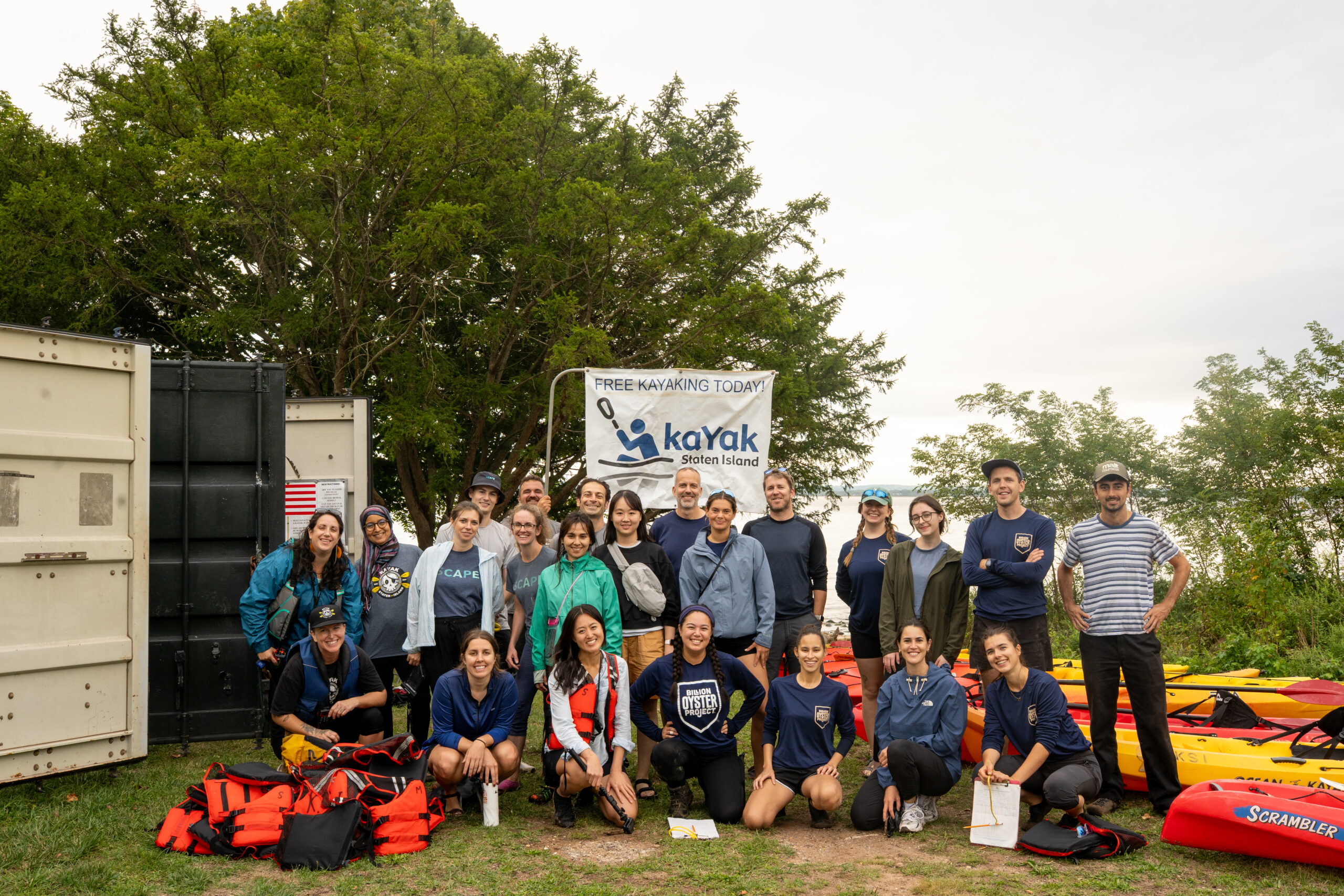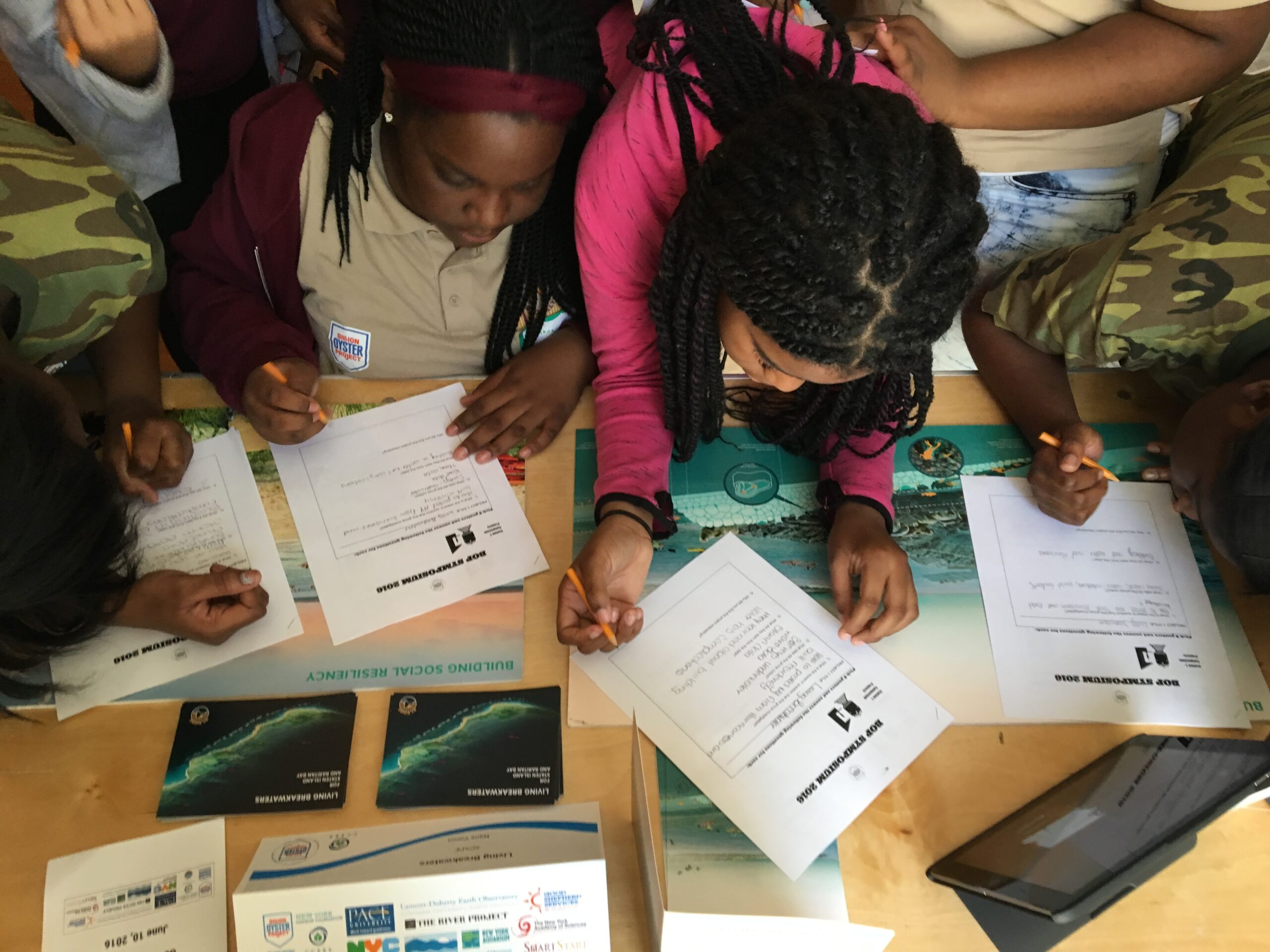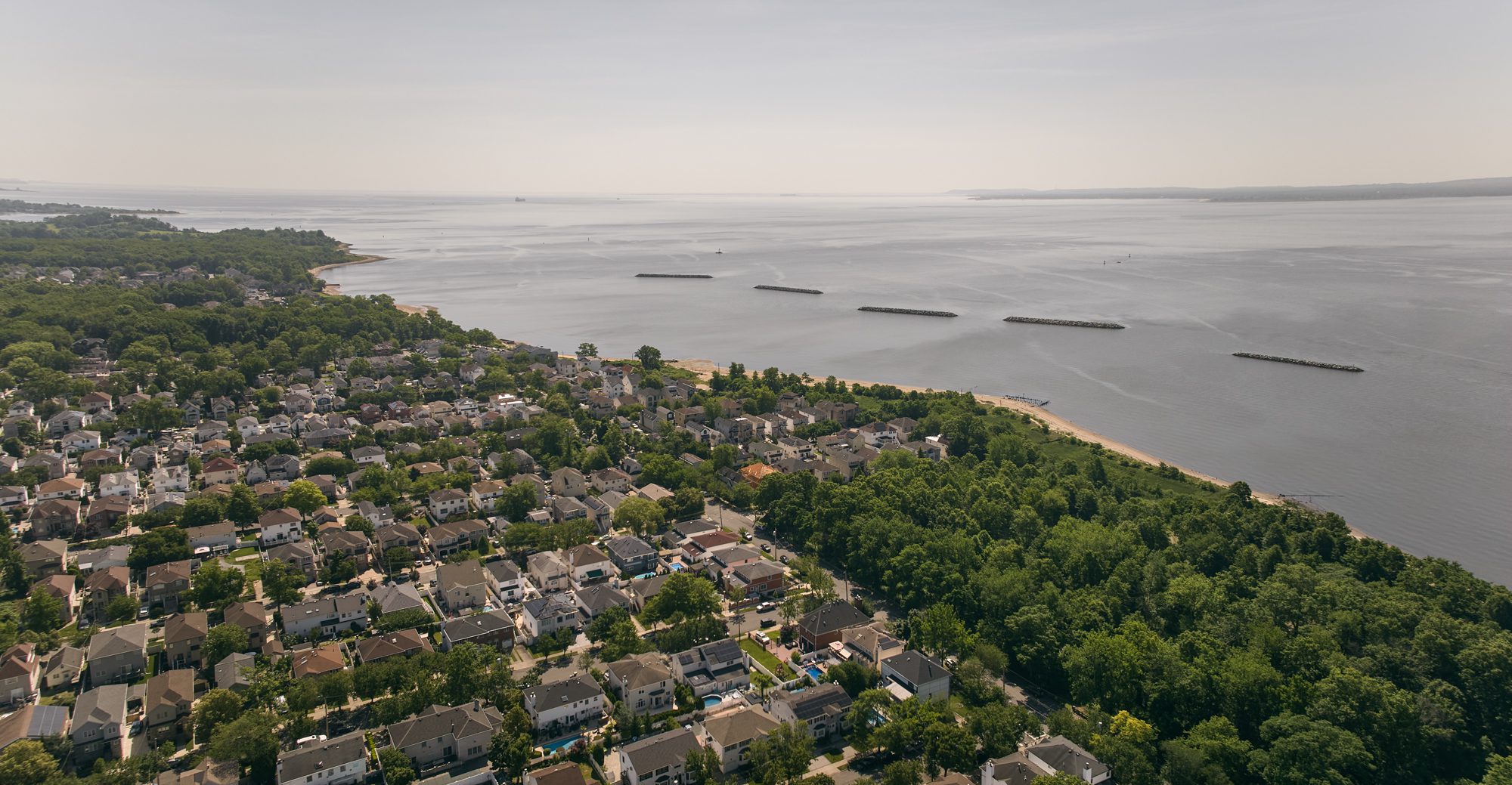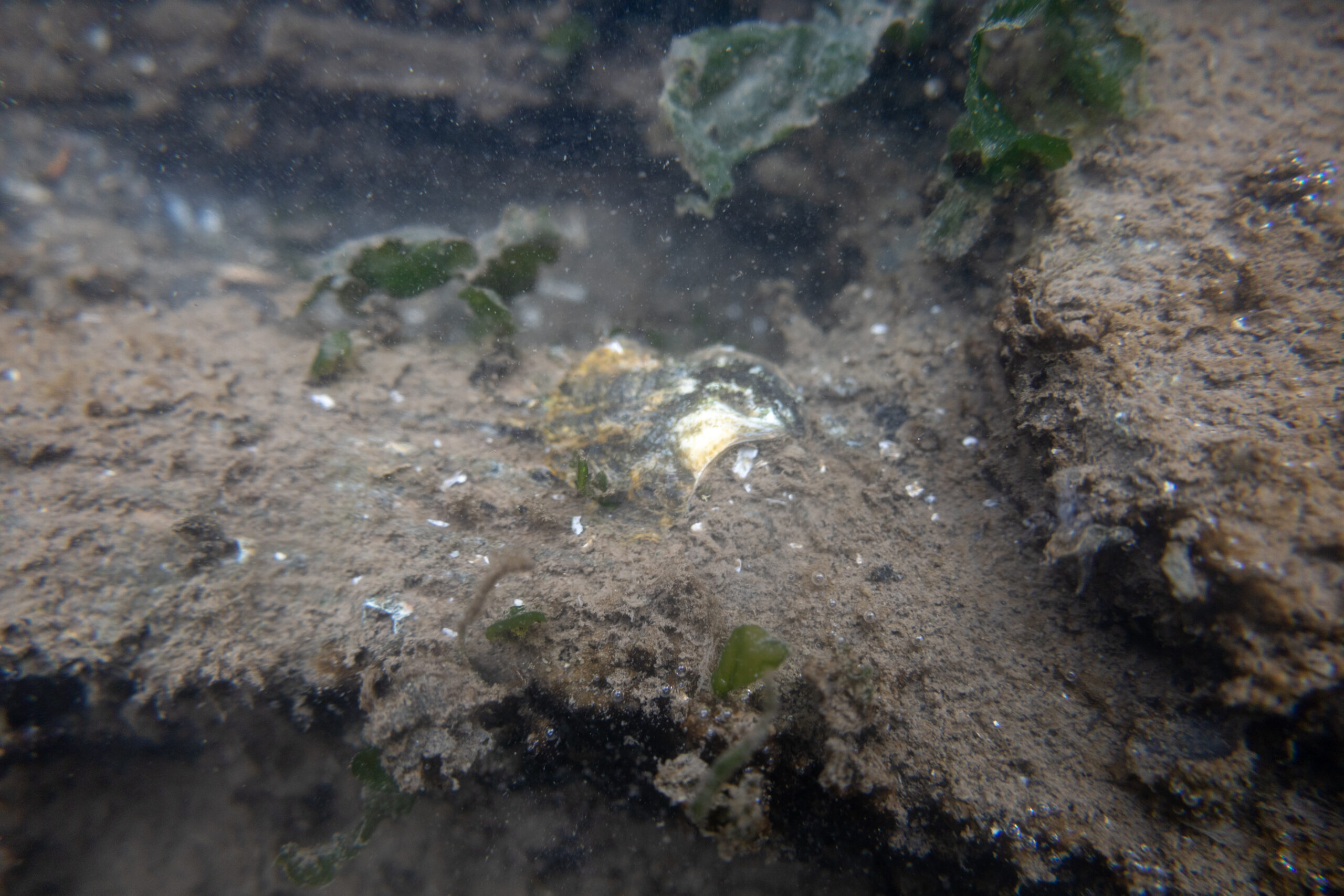
In New York Harbor, oysters once shaped the shoreline, filtered the water, and anchored an entire ecosystem before overharvesting, dredging, and pollution nearly erased them.
This episode of Impactually explores how the Billion Oyster Project and SCAPE are helping New York rethink coastal resilience through restoration, design, and education throughout the city’s waterways.
From Governors Island to waterways throughout the five boroughs, students, scientists, designers, and community partners are restoring habitat, strengthening shorelines, and reimagining what environmental infrastructure can be in a changing city. What begins as a story about oysters becomes something larger: a story about stewardship, education, workforce development, and the long work of preparing communities for a more uncertain climate future.
Join our community and support Humm’s mission Donate ▼
Patreon |
GiveButter
This episode of Impactually Is brought to you by generous support of April Collins Potterfield, David Johnson and Christine O’Neil, The Detchev Family, JLB Images, and listeners like you.
Patreon |
GiveButter
Key Takeaways
New York Harbor once held an estimated 220,000 acres of oyster reefs, but decades of extraction, dredging, and pollution nearly wiped them out.
The Billion Oyster Project is restoring native oyster reefs while engaging students in hands-on environmental education and marine workforce development.
SCAPE’s work expands that restoration vision by using ecological design to reduce wave energy, create habitat, and help protect vulnerable shorelines.
Together, these efforts show that resilience is not only about hard infrastructure, but about designing systems that support ecosystems, education, and communities at the same time.
In this episode, restoration is not framed as a return to the past, but as a practical and hopeful rethinking of what progress can look like in a coastal city.
Calls to Action
Reach out to the Billion Oyster Project to learn more about their environmental restoration curriculum, and support organizations that combine ecological restoration with education and workforce development in your own community.
Explore SCAPE’s work to see how design, habitat restoration, and shoreline protection can work together in the face of climate change.
Share this episode with someone interested in climate resilience, urban ecology, public education, or the future of coastal cities.
Learn more about the growing movement to restore coastal ecosystems through partnerships that bring together students, designers, scientists, and local communities.
We’d like to extend our sincerest thanks to our guests and musician:
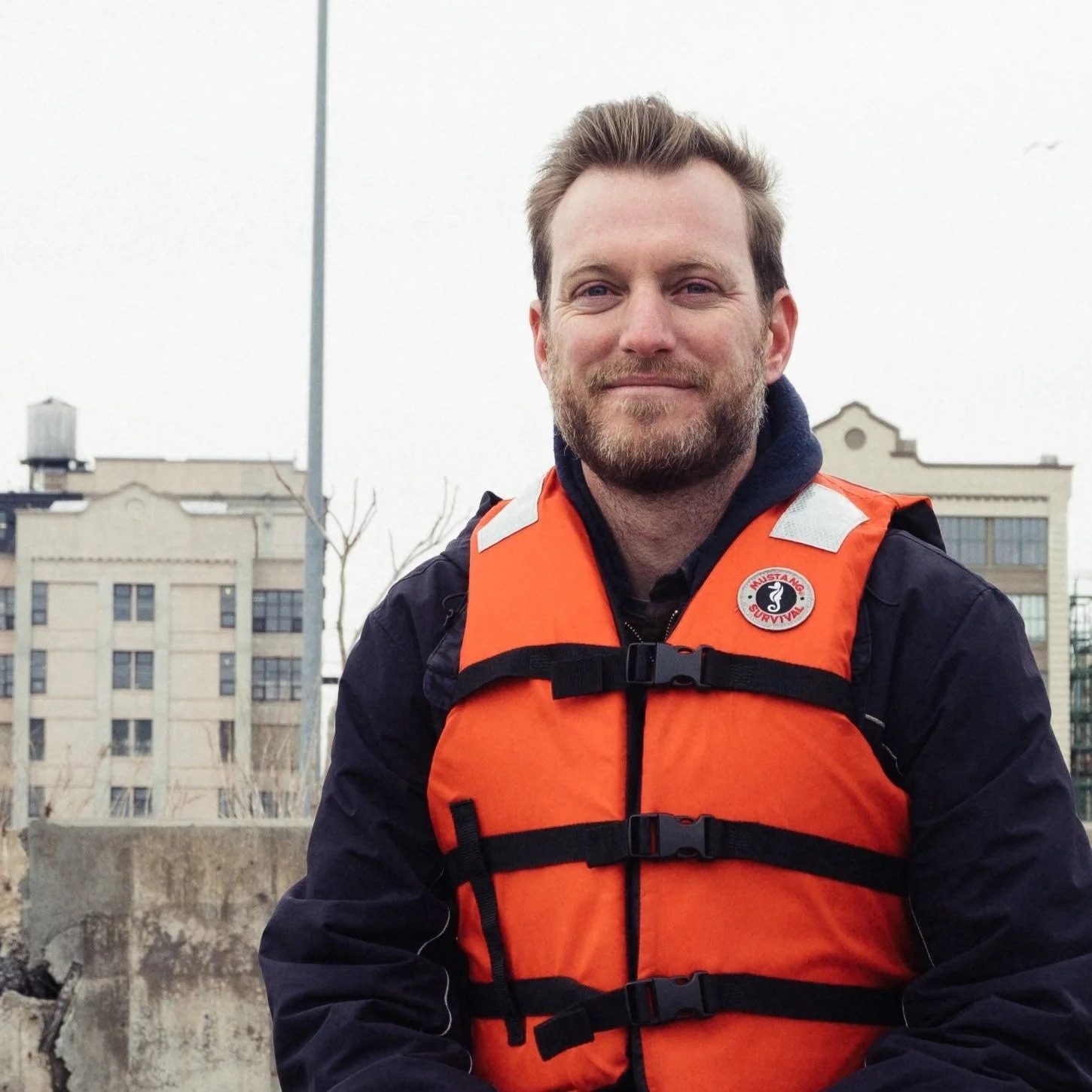
Pete Malinowski, president and CEO of the Billion Oyster Project, whose vision and deep knowledge of the harbor helped shape this episode.
Ann Fraioli, director of education at the Billion Oyster Project, whose insight helped illuminate how restoration can also build ownership, opportunity, and connection for young people.
- Mike Cohen, Harbor School and Billion Oyster Project Partnership Manager, whose insight and generosity made our time onsite exceptional.
Pippa Brashear, partner at SCAPE, whose perspective helped us understand how design can support a broader vision for ecological resilience.
THANK YOU TO OUR MUSICIAN:


JD Eicher — “Flight (an outro)” from The Finding. Available on all major streaming platforms.
Instagram | Apple Music | Spotify | YouTube